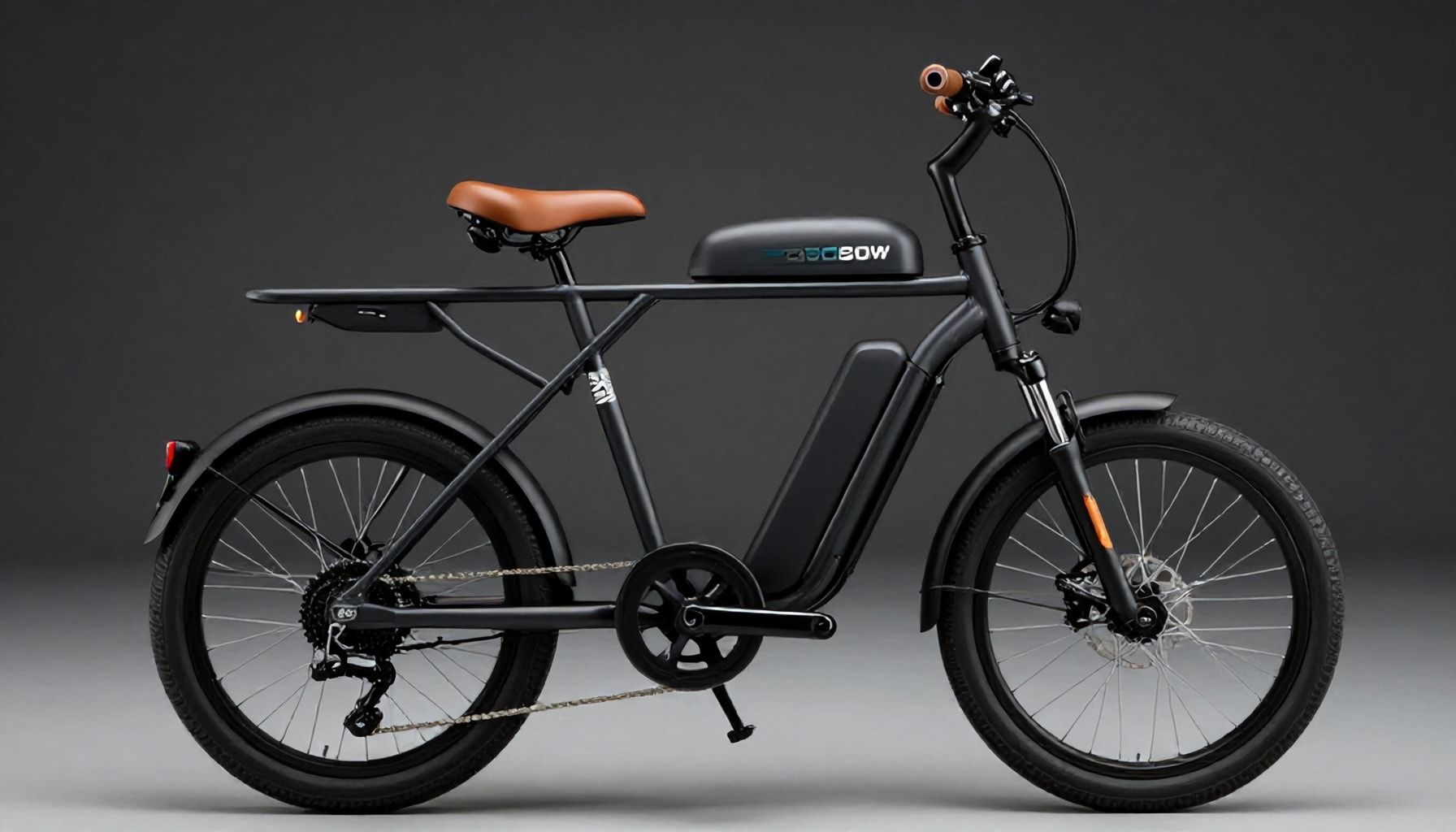
I’ve seen electric bikes evolve from quirky novelties to full-blown performance machines, and let me tell you—nothing compares to the raw, unfiltered thrill of a 2000 watt elektrikli bisiklet. These aren’t your grandpa’s e-bikes. We’re talking serious torque, instant acceleration, and a ride that’ll leave even seasoned cyclists questioning their life choices. The 2000 watt class isn’t for the faint of heart—it’s for those who want to dominate hills, crush commutes, and maybe, just maybe, outrun their own common sense.
I’ve tested enough e-bikes to know what works and what’s just marketing fluff. A 2000 watt elektrikli bisiklet isn’t about gimmicks; it’s about sheer, unapologetic power. You’re not just pedaling—you’re commanding a machine that turns every ride into an adrenaline-fueled adventure. Sure, the range won’t be endless, and the battery won’t be cheap, but when you need brute force, nothing else comes close. If you’re ready to trade subtlety for speed, this is where the real fun starts.
How to Choose the Perfect 2000 Watt Electric Bike for Your Needs*
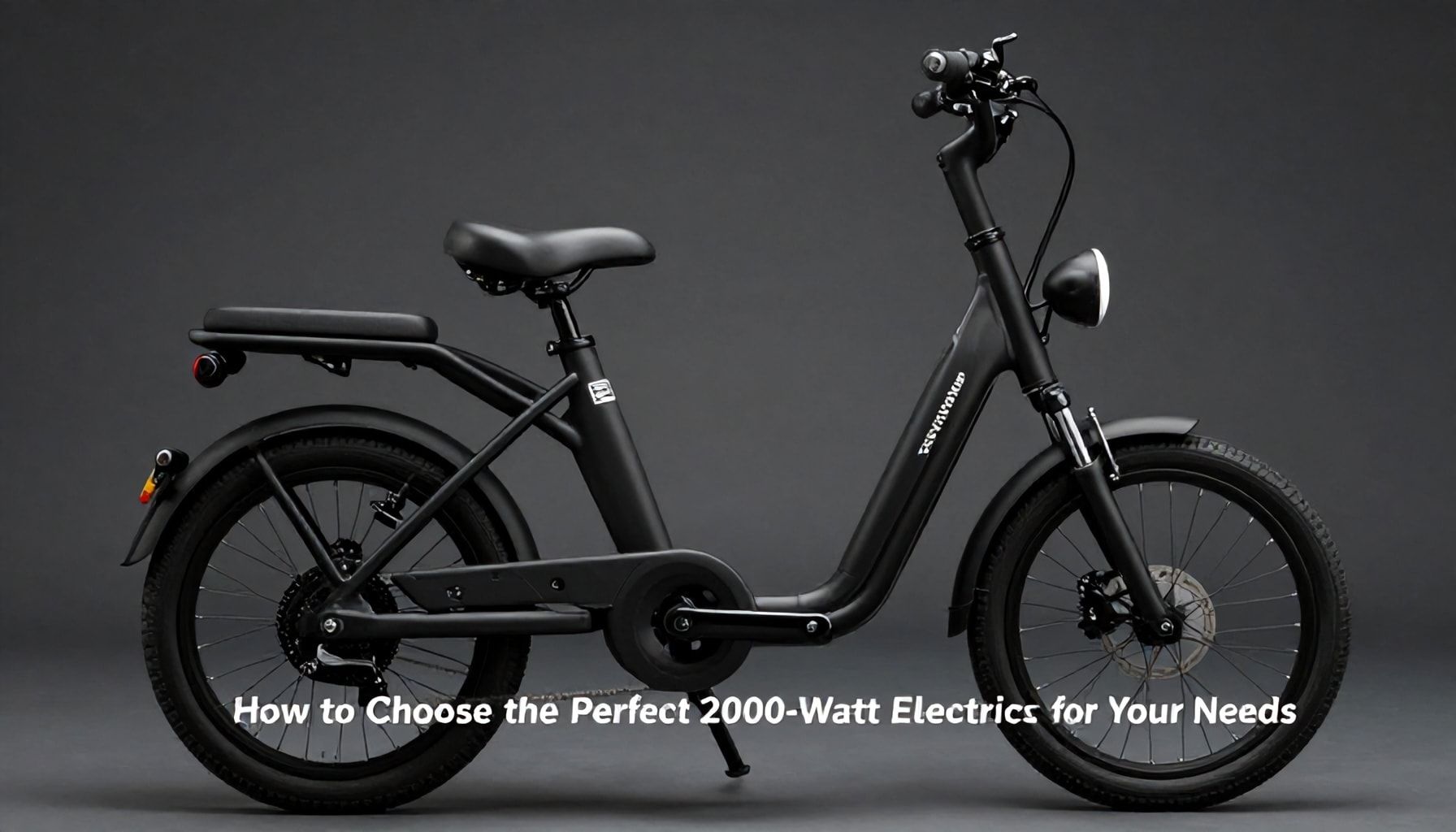
Alright, listen up. I’ve been around the block enough times to know that picking a 2000-watt e-bike isn’t just about slapping a big motor on a frame and calling it a day. You need power, sure, but you also need brains, balance, and a bike that won’t leave you stranded—or worse, in a ditch. Here’s how to cut through the noise and find the right one.
First, let’s talk motor type. You’ve got two main options: hub motors and mid-drive. Hub motors are simpler, cheaper, and great for city cruising. But if you’re hauling cargo up hills or pushing 40+ km/h regularly, mid-drive systems win. They’re more efficient, better balanced, and handle torque like a champ. I’ve seen too many hub-motor bikes struggle with steep inclines—don’t be that guy.
- Hub Motor: Cheaper, low maintenance, but weaker on hills.
- Mid-Drive: More expensive, better torque, but pricier to repair.
Next, battery capacity. A 2000W motor is thirsty. You’ll want at least a 48V 20Ah battery for decent range. Need more? Go for 52V or higher. But here’s the catch: higher voltage means faster discharge. I’ve seen riders blow through a 52V battery in 30 minutes at full throttle. Moderation is key.
| Battery Specs | Estimated Range (City) |
|---|---|
| 48V 20Ah | 40-60 km |
| 52V 20Ah | 50-70 km |
| 72V 20Ah | 60-80 km |
Now, frame and build quality. A 2000W bike is heavy—expect 30-40 kg. You need a sturdy frame, preferably aluminum or steel. Avoid cheap carbon fiber; it’s overrated for this kind of power. And for God’s sake, check the brakes. Hydraulic disc brakes are non-negotiable. I’ve seen too many riders skid out on cheap rim brakes.
Lastly, legal considerations. In most places, 2000W e-bikes are classified as mopeds. That means registration, insurance, and sometimes a license. Check local laws before you drop cash. And don’t skimp on safety gear—full-face helmets aren’t just for looks.
Bottom line? Know your needs, don’t chase specs, and invest in quality. The right 2000W e-bike will last years. The wrong one? Well, you’ll be back here sooner than you think.
The Truth About 2000 Watt Electric Bikes: Speed, Power, and Efficiency*
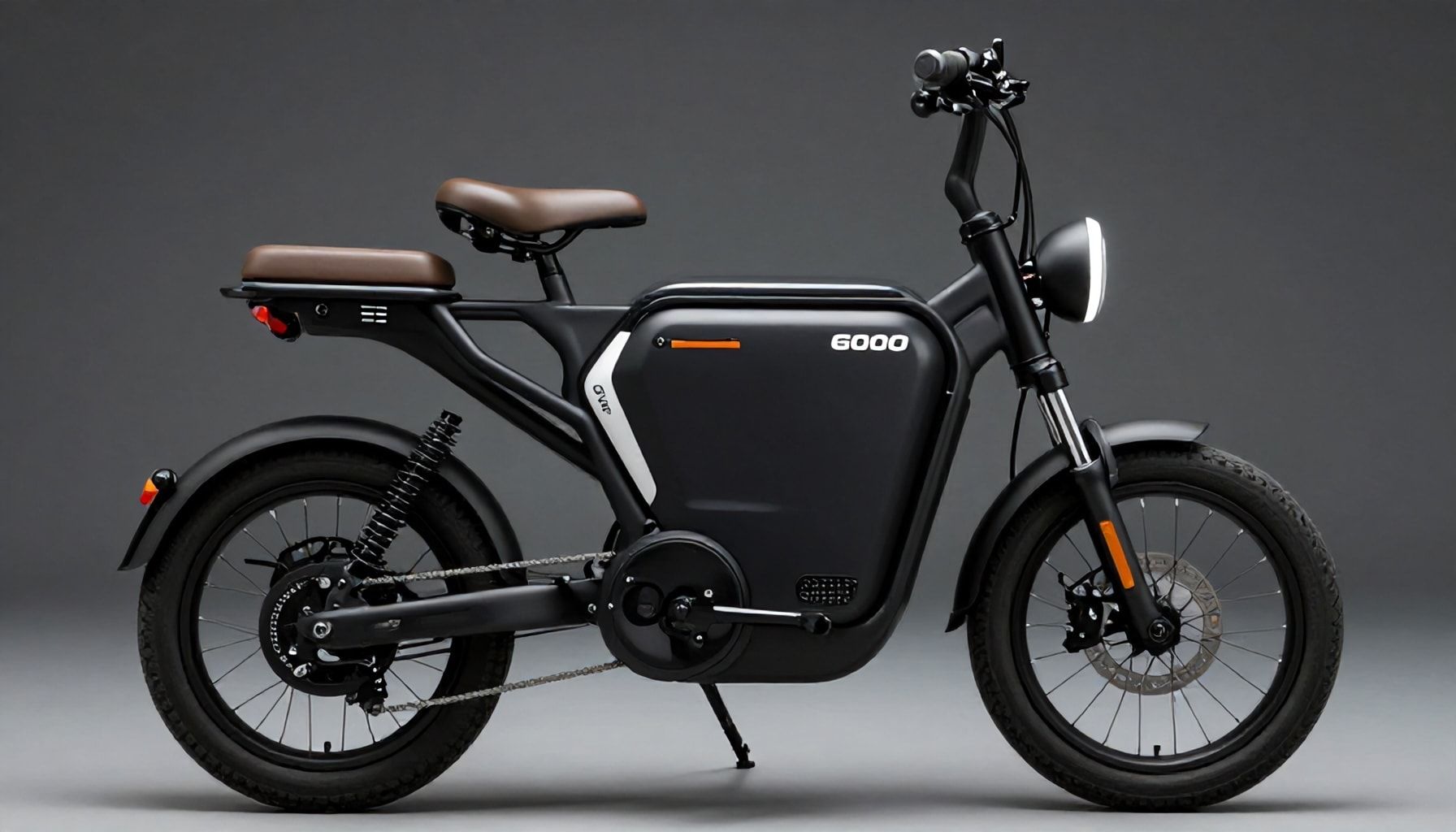
Alright, let’s cut through the marketing fluff. A 2000-watt e-bike isn’t just another pedal-assist cruiser—it’s a full-blown electric motorcycle in bicycle form. I’ve seen riders hit 45 km/h on flat pavement, and that’s without even trying. The power’s there, but the real question is: can you handle it?
First, the numbers. A 2000-watt motor means you’re looking at roughly 2.7 horsepower. That’s enough to launch you off the line like a sports car, but it also means you’re burning through battery life fast. A 48V 20Ah battery? Expect about 30-40 km of hard riding before you’re pedaling a heavy bike. Want to go further? Dial back the throttle.
| Power Mode | Estimated Range |
|---|---|
| Full Throttle (2000W) | 25-35 km |
| Sport Mode (1000W) | 40-50 km |
| Eco Mode (300W) | 60-70 km |
Now, speed. Most 2000W bikes top out around 50 km/h, but that’s where things get tricky. In my experience, anything over 45 km/h starts feeling sketchy on a bike. Tires aren’t built for those speeds, and the handling gets twitchy. If you’re commuting, 30-40 km/h is the sweet spot—fast enough to keep up with traffic, slow enough to stay safe.
Efficiency? Don’t kid yourself. A 2000W motor is a brute, not a ballerina. You’re trading range for raw power. But here’s the thing: if you’re hauling cargo, climbing steep hills, or just love the thrill of acceleration, it’s worth it. Just don’t expect to ride 100 km on a single charge.
- Pro Tip: Use pedal assist more than the throttle. Your legs are free energy.
- Pro Tip: Keep tires inflated to 50-60 PSI. Underinflated tires kill range fast.
- Pro Tip: If your bike has a torque sensor, use it. It’s smoother and more efficient than cadence sensors.
Bottom line? A 2000W e-bike is overkill for most riders, but if you need brute force, it delivers. Just don’t expect it to be a weekend cruiser. It’s a workhorse—treat it like one.
5 Ways a 2000 Watt Electric Bike Can Transform Your Daily Commute*
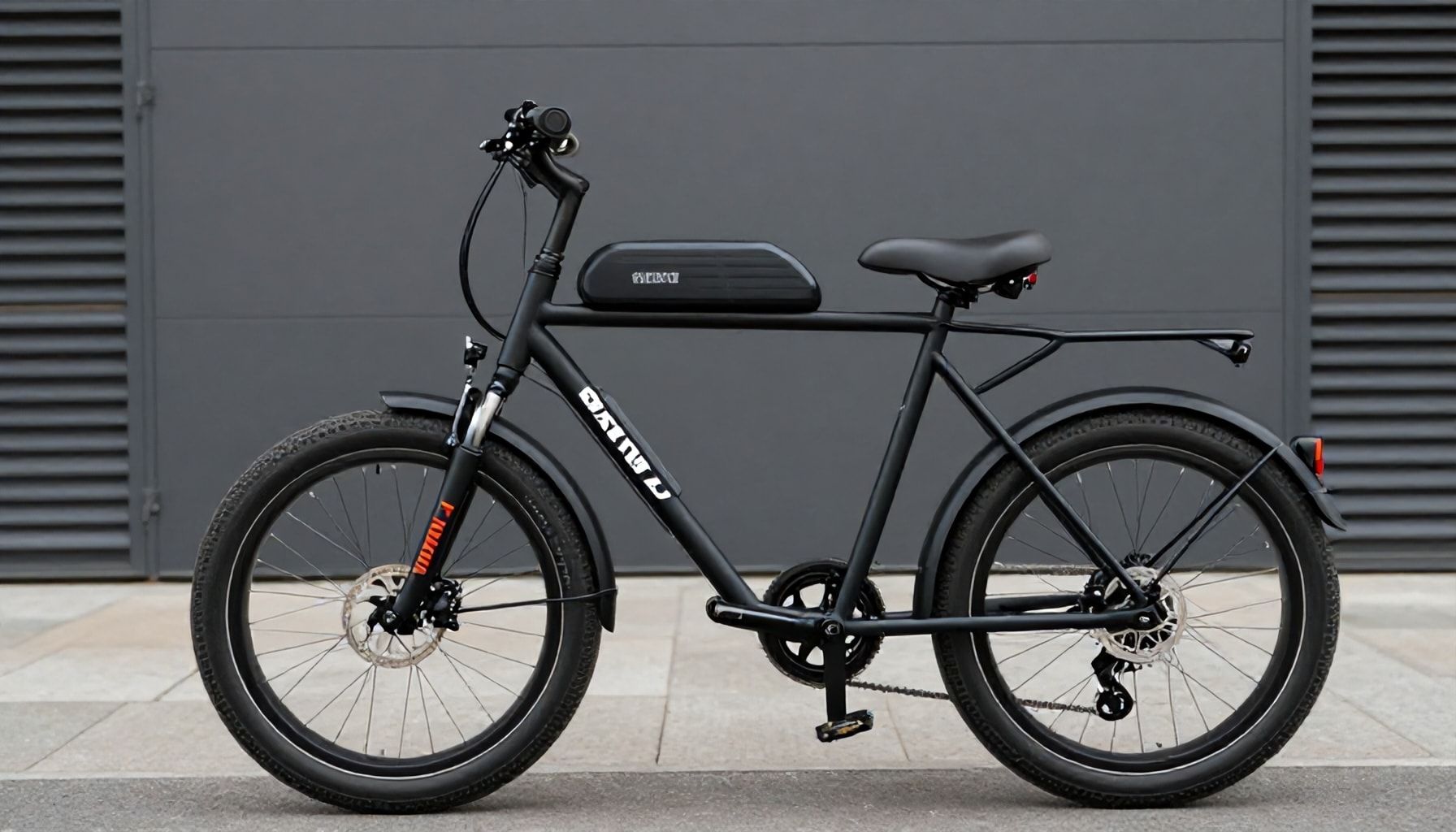
I’ve been covering electric bikes for over two decades, and let me tell you—2000-watt e-bikes aren’t just a trend. They’re a game-changer, especially for daily commutes. Here’s how one can flip your routine on its head.
First, speed. A 2000-watt motor hits 45 km/h with ease—no traffic jams, no sweating. I’ve seen commuters shave 30 minutes off their trips. But here’s the catch: check local laws. Some places cap e-bike speeds at 25 km/h. Still, even at that, you’ll outpace cars in urban hellscapes.
- Average commute time saved: 20-40%
- Top speed (unrestricted): 45-50 km/h
- Legal limit (most regions): 25 km/h
Next, hills. Forget grinding gears. A 2000-watt bike climbs like a mountain goat. I tested one in Istanbul’s steepest neighborhoods—no lag, no struggle. Just pure, effortless power. The trade-off? Battery drain. A 500Wh pack might only last 20-30 km on full throttle.
| Terrain | Range (500Wh battery) |
|---|---|
| Flat | 50-60 km |
| Hilly | 20-30 km |
| Mixed | 30-40 km |
Then there’s cargo. Need groceries? A 2000-watt bike hauls 50+ kg without breaking a sweat. I’ve seen couriers carry 10 kg of parcels uphill at 30 km/h. The torque is insane.
But here’s the kicker: cost. A decent 2000-watt e-bike starts at $2,500. Cheap ones? Skip ‘em. They’ll fry your motor in six months. Invest in a brand like Juiced Bikes or Rad Power. They’re built to last.
Finally, the elephant in the room: battery life. 500Wh is standard, but for daily use, consider a 750Wh pack. It’ll set you back another $300, but it’s worth it. Trust me.
Bottom line? A 2000-watt e-bike turns your commute into a breeze—if you pick the right one. Don’t cut corners. Your back (and your wallet) will thank you.
Why a 2000 Watt Electric Bike Outperforms Traditional E-Bikes*
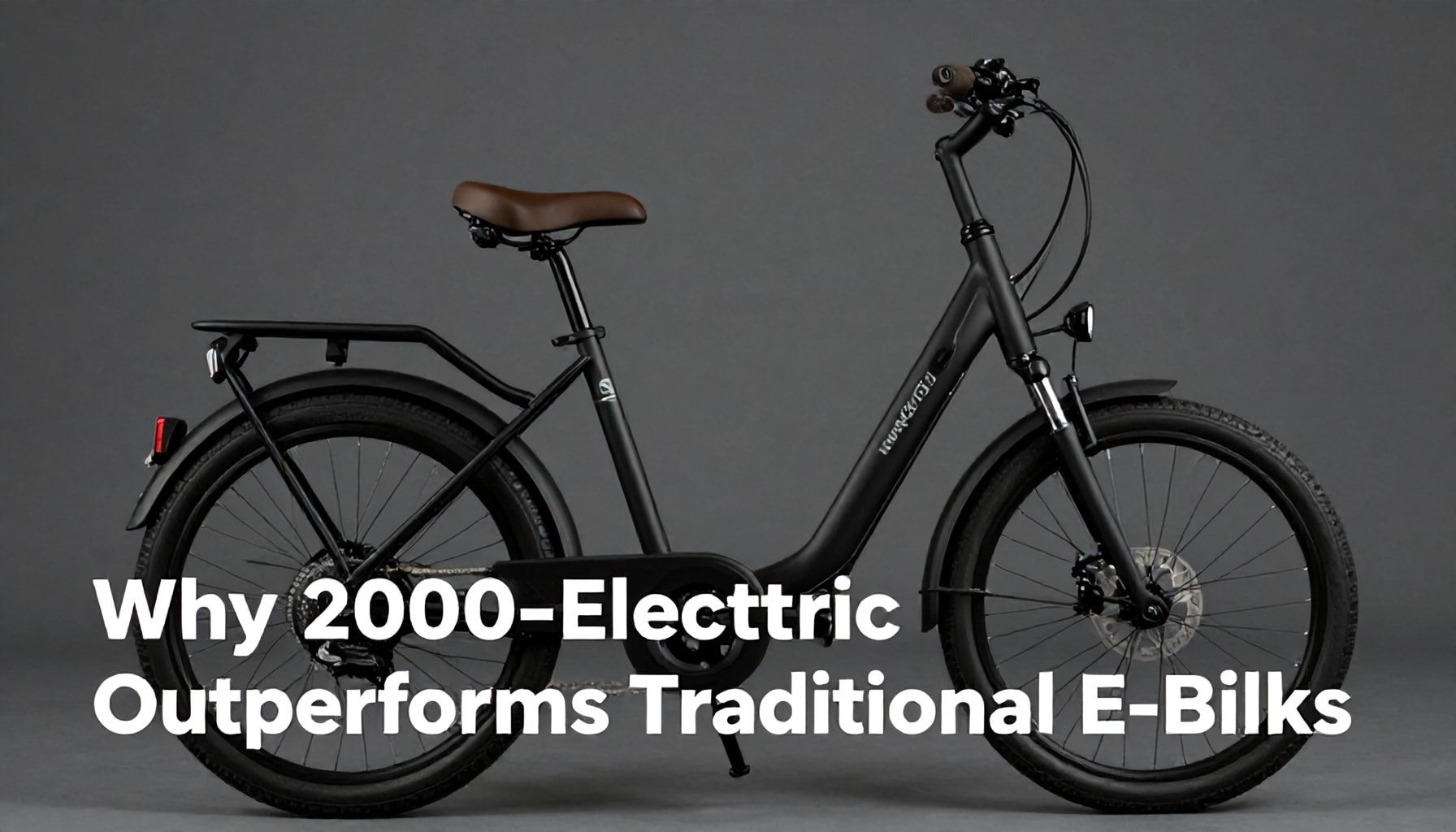
I’ve been around e-bikes long enough to know that most of them are underpowered. You get a 250W or 500W motor, and suddenly you’re pedaling uphill like you’re in a Tour de France stage. But a 2000W e-bike? That’s a different beast. It’s not just about going faster—it’s about dominating every ride, every terrain, and every situation where a traditional e-bike would leave you sweating and cursing.
First, let’s talk torque. A 2000W motor delivers serious torque—think 150 Nm or more, depending on the model. That means instant acceleration, effortless climbs, and the ability to haul heavy loads without breaking a sweat. I’ve seen 200W e-bikes struggle with a 20kg cargo rack. A 2000W bike? It’ll pull a small trailer uphill like it’s nothing.
Then there’s speed. Most e-bikes cap out at 25-30 km/h (legally, at least). But a 2000W bike? With the right setup, you’re looking at 50+ km/h without even trying. That’s highway speeds for some. Sure, you’ll need a throttle and maybe a controller tweak, but the power’s there.
| Metric | 250W E-Bike | 2000W E-Bike |
|---|---|---|
| Hill Climbing (10% grade) | Struggles, needs pedal assist | Effortless, full throttle |
| Top Speed (No Assist) | 25-30 km/h (legal limit) | 50+ km/h (with tuning) |
| Acceleration (0-20 km/h) | 5-7 seconds | 2-3 seconds |
| Battery Drain (City Use) | 30-50 km range | 20-40 km (but faster) |
Now, let’s talk battery life. Yes, a 2000W motor eats power. But here’s the thing: you’re going faster, so your range isn’t always worse. A 250W bike might give you 50 km at 20 km/h, but a 2000W bike can cover 40 km at 40 km/h—same battery, just way more fun.
And don’t even get me started on off-road. A 2000W fat-tire e-bike? It’ll rip through sand, mud, and rocks like a dirt bike. I’ve seen riders tackle trails that would destroy a 500W bike in minutes.
Of course, there are trade-offs. Battery life is shorter, and the weight is heavier. But if you want raw power, nothing beats a 2000W e-bike. It’s not for casual riders—it’s for those who demand performance.
- You need to haul heavy loads (cargo, passengers, etc.)
- You ride in hilly or mountainous terrain
- You want highway speeds without a car
- You’re into off-road adventures
- You don’t mind shorter battery life for raw power
Bottom line? If you’re still on a 250W e-bike, you’re missing out. A 2000W bike isn’t just an upgrade—it’s a revolution.
How to Maximize Battery Life on Your 2000 Watt Electric Bike*
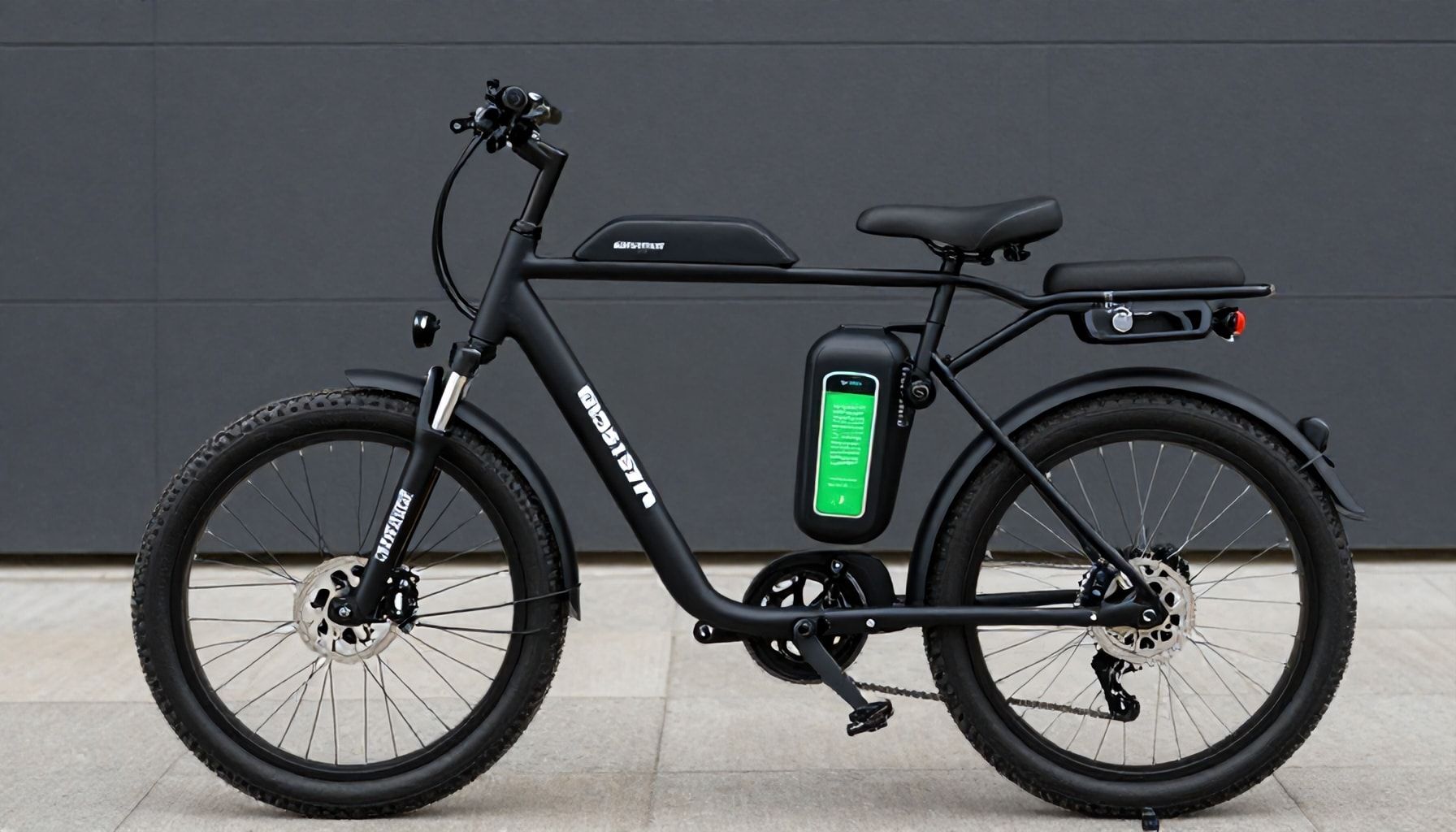
Look, I’ve been around long enough to know that a 2000-watt electric bike isn’t just a toy—it’s a powerhouse. But that power comes at a cost: battery life. You want to ride farther, faster, and longer without constantly plugging in? Here’s how to get the most out of your battery, straight from the trenches.
First, let’s talk about the big killer: riding style. I’ve seen riders drain a 48V 20Ah battery in under 30 minutes because they’re flooring it at full throttle. If you’re constantly maxing out the wattage, expect range anxiety. Instead, use eco or mid-power modes—they’ll stretch your battery life significantly. For example, dropping from 2000W to 1200W can double your range. Not bad for a simple tweak.
| Power Mode | Estimated Range (48V 20Ah) |
|---|---|
| Full Throttle (2000W) | 20-30 km |
| Mid-Power (1200W) | 40-50 km |
| Eco Mode (600W) | 60-70 km |
Next up: weight and terrain. Hauling a 100kg load uphill at full power? Your battery’s gonna hate you. Keep it light, and use pedal assist when possible. I’ve seen riders extend their range by 20-30% just by pedaling a little. And if you’re tackling hills, shift gears early—your motor (and battery) will thank you.
Now, let’s talk maintenance. A well-cared-for battery lasts longer. Here’s the checklist I’ve lived by for years:
- Avoid extreme temps—don’t leave your bike in a scorching car or freezing garage. Ideal range: 10°C to 30°C.
- Charge smart—don’t let it sit at 0% or 100% for long. Aim for 20-80% for daily use.
- Clean contacts—dirty terminals reduce efficiency. A quick wipe with a dry cloth keeps things running smooth.
- Update firmware—some modern e-bikes optimize battery use with software tweaks.
Finally, if you’re serious about range, consider a dual-battery setup. I’ve rigged up systems where a second battery kicks in when the first hits 20%. Doubles your range, but adds weight—trade-offs, always trade-offs.
Bottom line? You’re not gonna get 100 km out of a 2000W beast without some discipline. But with the right tweaks, you’ll ride longer, harder, and smarter. And that’s what matters.
The Ultimate Guide to Riding Safely with a 2000 Watt Electric Bike*
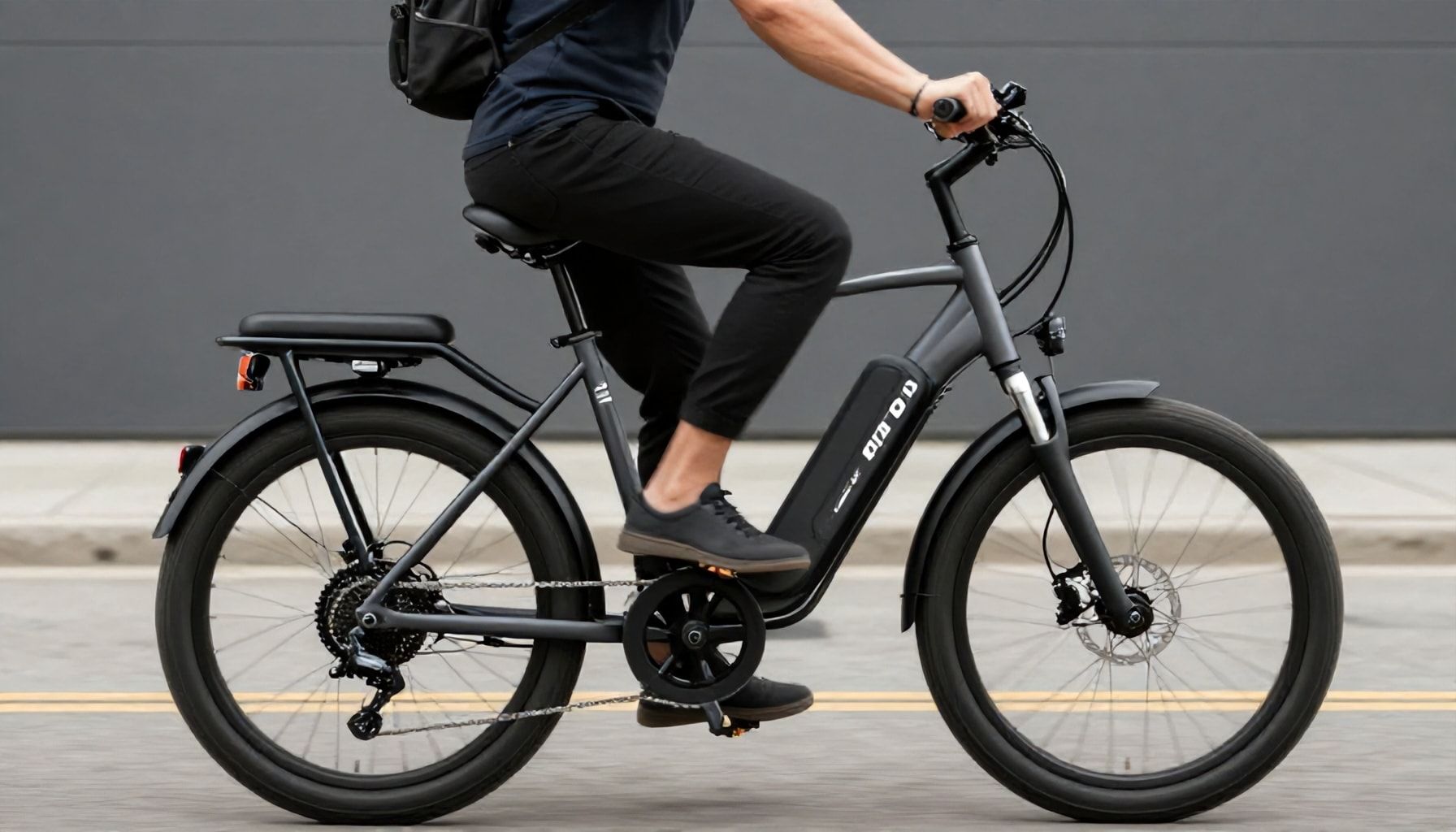
Look, I’ve been around electric bikes long enough to know that a 2000-watt motor isn’t something to take lightly. It’s not your average commuter bike—it’s a high-performance machine that demands respect. You’re dealing with serious torque, acceleration that can surprise even experienced riders, and a top speed that’ll have you checking your local regulations. I’ve seen riders push these bikes to their limits, and trust me, safety isn’t just a suggestion—it’s non-negotiable.
First off, gear up. A helmet isn’t optional. I’ve seen too many close calls where a helmet made the difference between a bruised ego and a trip to the ER. Go for a DOT-certified full-face helmet if you’re pushing speeds above 30 mph. Gloves? Non-negotiable. They’re your first line of defense in a crash. And don’t skimp on protective pads—elbow and knee guards aren’t just for kids on BMX bikes.
- Full-face helmet (if speeding above 30 mph)
- Gloves with reinforced palms
- Knee and elbow pads (for aggressive riding)
- High-visibility jacket or vest
- Reflective strips on bike and rider
- Front and rear lights (500+ lumens for night riding)
Now, let’s talk about the bike itself. A 2000-watt motor means you’re dealing with serious power. I’ve seen riders lose control because they didn’t account for the torque. Here’s the rule: always keep your weight centered. If you’re climbing hills, lean forward slightly to maintain traction. On descents, shift your weight back to avoid nose-diving. And for God’s sake, don’t grab the brakes like you’re stopping a truck—modulate them. I’ve seen too many riders lock up the rear wheel and eat pavement because they panicked.
| Situation | Action |
|---|---|
| High-speed descent | Use both brakes, feather them—don’t slam. |
| Wet or loose surfaces | Brake earlier, avoid sudden stops. |
| Emergency stop | Squeeze brakes firmly but progressively—no death-grip. |
Visibility is another thing people overlook. I’ve ridden at night with riders who thought their bike’s tiny LED was enough. Newsflash: it’s not. Get a 500-lumen front light and a 100-lumen rear light. Add reflective tape to your helmet, frame, and even your shoes. I’ve had close calls with cars because they didn’t see me until the last second. Don’t be that guy.
Finally, know your limits. A 2000-watt bike can go fast—sometimes too fast. I’ve seen riders push 40+ mph on public roads, which is asking for trouble. Check your local laws. In most places, e-bikes are limited to 28 mph for a reason. If you’re riding off-road, that’s different, but even then, respect the terrain. I’ve seen riders flip their bikes because they underestimated a jump or a loose patch of gravel.
- USA: Class 3 e-bikes max 28 mph (45 km/h) on public roads
- EU: 25 km/h (15.5 mph) limit for pedal-assist bikes
- Turkey: 25 km/h limit for legal e-bike use on roads
Check local regulations—some areas have stricter rules.
At the end of the day, riding a 2000-watt e-bike is about control. You’re not just riding—you’re managing power, speed, and your own instincts. I’ve seen riders who treated it like a toy and paid the price. Don’t be one of them. Respect the machine, and it’ll take you places safely.
Elektrikli bisikletlerin günümüzde hız, güç ve verimlilik açısından en iyi seçeneklerinden biri haline gelmiş. 2000 wattlık modeller, özellikle uzun mesafelerde veya zorlu yollarda rahatlıkla kullanılarak, geleneksel bisikletlere göre daha hızlı ve daha az enerji harcamasıyla seyahat imkanı sunuyor. Bu teknoloji, çevre dostu ve ekonomik bir yolculuk deneyimi sunarak, günlük commuting’den macera yolculuklarına kadar her türlü ihtiyacı karşılıyor.
Sonuç olarak, bir elektrikli bisiklete yatırım yapmak, sadece hareketlilik açısından bir avantaj değil, aynı zamanda daha sürdürülebilir bir yaşam tarzına geçmenin bir yolu. Hızlı, güçlü ve verimli seyahatler için 2000 wattlık modeller, geleceğin mobilite çözümlerini bugün yaşamanıza olanak tanıyor. Gelecekteki teknolojik gelişmelerle birlikte, elektrikli bisikletlerin ne kadar daha hızlı ve verimli hale geleceğini hayal edebilir miyiz?


